




Green Tea for Weight Loss – Does it Actually Work?
Green tea has become one of the most popular beverages among people trying to lose weight. You may have seen claims that it can burn fat, boost metabolism, reduce belly fat, and accelerate weight loss. But how much of this is actually supported by science?
The truth is somewhere in the middle. Green tea for weight loss may provide a small benefit, but it is not a magic drink that can make body fat disappear. Sustainable weight loss still depends primarily on your overall diet, physical activity, sleep, and calorie balance.
Let’s look at what green tea can—and cannot—do for your fitness journey.
What Makes Green Tea Different?
Green tea is made from the leaves of Camellia sinensis. Unlike black tea, the leaves are not fully fermented, allowing them to retain various naturally occurring compounds called polyphenols, particularly catechins.
One of the most studied catechins is EGCG (epigallocatechin gallate). Green tea also naturally contains caffeine.
Researchers have investigated whether the combination of catechins and caffeine can influence energy expenditure and body weight. Some studies suggest that these compounds may have a modest effect on metabolism and body weight.
However, the size of the effect is important.
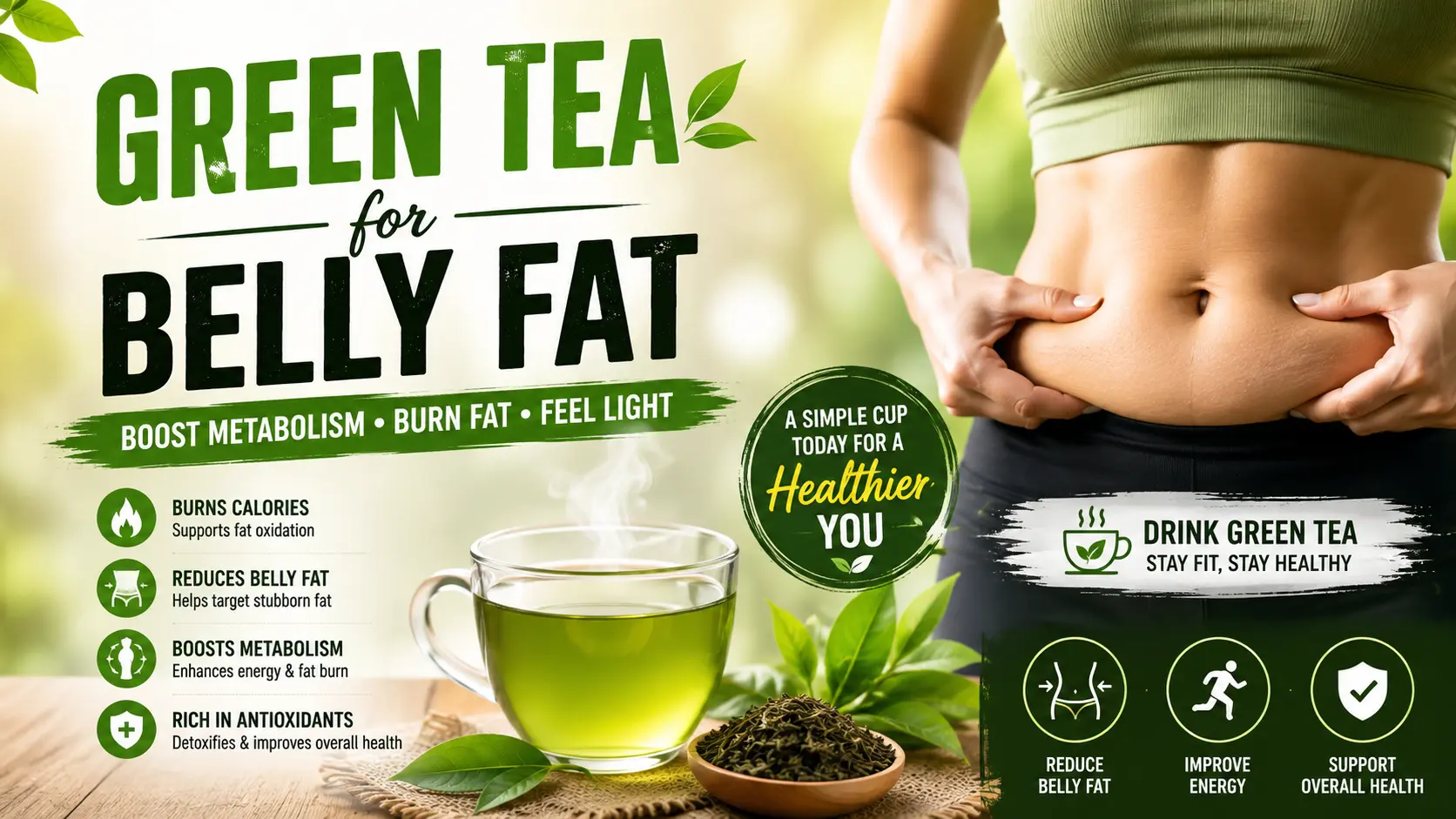
Does Green Tea Actually Help You Lose Weight?
The short answer is: possibly, but only to a small extent.
Green Tea for Weight Loss is anyway a good choice!
A 2025 systematic review and meta-analysis of randomized controlled trials found that green tea supplementation was associated with modest reductions in body weight, BMI, waist circumference, and body-fat percentage. However, these findings describe relatively small changes and do not mean that green tea alone produces significant fat loss.
Earlier research has been less convincing. A Cochrane review found that green tea preparations produced only a very small, statistically non-significant reduction in weight in many study groups, with the researchers concluding that the effect was unlikely to be clinically important.
So, if you are drinking green tea expecting it to replace exercise or a healthy diet, you are likely to be disappointed.
How Could Green Tea Support Fat Loss?
Green tea contains both catechins and caffeine, which have been studied for their potential effects on energy metabolism.
Some research suggests that the combination may modestly influence energy expenditure and body weight. However, the effect varies between individuals and studies.
Think of green tea as a small supporting factor, rather than the main strategy. so green tea for weight loss is good supporter.
For example, replacing a sugary soft drink or high-calorie beverage with unsweetened green tea can reduce your overall calorie intake. That change can be much more meaningful for weight management than expecting green tea itself to “burn” large amounts of fat.

What is the Best Time to Drink Green Tea for Weight Loss?
There is no scientifically established “magic time” when green tea suddenly burns more fat.
Many people enjoy it:
- In the morning
- Between meals
- Before a workout
- During an afternoon break
Because green tea contains caffeine, drinking it late in the evening may interfere with sleep for some people.
You should also avoid assuming that more green tea means more weight loss. Increasing the amount or switching to concentrated supplements does not necessarily produce better results.
Green Tea vs Green Tea Supplements
There is an important difference between drinking ordinary green tea and taking concentrated green tea extract capsules.
A normal cup of green tea contains relatively modest amounts of its active compounds. Supplements can contain much higher concentrations.
NCCIH reports that green tea consumed as a beverage has not raised major safety concerns in adults, but green tea extract supplements have been associated with side effects including nausea, abdominal discomfort and, rarely, liver injury. Green tea can also interact with certain medicines.
Therefore, natural does not automatically mean risk-free.
If you take regular medication, are pregnant or breastfeeding, or are considering concentrated green tea supplements, speak with a healthcare professional before using them.
How to Make Green Tea More Weight-Loss Friendly
If you enjoy green tea, keep it simple.
Choose unsweetened green tea rather than adding large amounts of sugar or calorie-dense ingredients.
You can combine it with a healthy lifestyle:
Green tea + balanced diet + regular exercise + adequate sleep = weight management.
For example, you could enjoy unsweetened green tea while maintaining a diet containing adequate protein, vegetables, fruits, whole grains and other minimally processed foods.
Most importantly, don’t let green tea distract you from the fundamentals of fat loss.

The Bottom Line
So, does green tea actually work for weight loss?
It may help a little, but it is not a fat-burning miracle. Green tea for weight loss is possible little.
Research suggests that green tea and its catechins, particularly when combined with caffeine, may have a modest effect on body weight and related measurements. However, the overall effect is relatively small, and the evidence is not strong enough to recommend green tea as a standalone weight-loss treatment.
If you enjoy green tea, there is nothing wrong with including it as part of a healthy lifestyle. Just don’t expect a cup of tea to compensate for an inactive lifestyle or an unbalanced diet.
For sustainable weight loss, focus on what you can consistently do: eat well, move more, build strength, get enough sleep, and maintain healthy habits over time.